
Why Avoidance Kills More Relationships Than Conflict – Lessons from Couples Counselling Perth


As a couples counsellor here in Perth, something I see every single week is this :avoidance quietly erodes relationships far more often than loud conflict ever does. It happens slowly, almost imperceptibly, like a tide pulling sand from beneath your feet. One day you realise you’re both standing on very different shorelines.
When partners avoid conversations, tough topics, emotional vulnerability, accountability, or even simple daily check-ins, the relationship begins to thin out. The bond doesn’t usually rupture with one dramatic moment. Instead it weakens over hundreds of small moments where one person reaches out and the other doesn’t reach back. Couples often arrive in my practice exhausted, confused, and wondering how things became so distant when “we never even fought that much.”
Avoidance feels safe at first. It promises peace, protection, and calm. It whispers, “Let’s not talk about it today. Maybe it will be better tomorrow.” But avoidance is a false sanctuary. What it really delivers is disconnection.
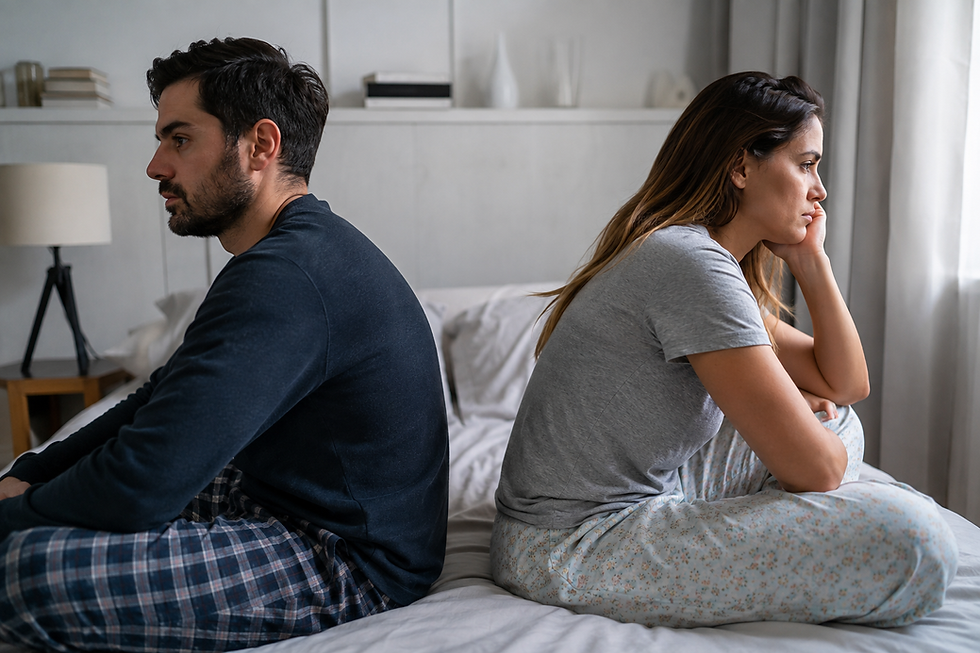
Working at The Edge Counselling in Perth, I hear the same themes every week. One partner is longing for closeness.The other is terrified of conflict and quietly retreats.That retreat might look like silence, distraction, shutting down, overworking, scrolling, or walking away mid-conversation. None of this means they don’t care. It means they don’t know how to stay in the room while feeling uncomfortable.
I gently remind couples that avoidance is often learned in childhood or shaped by past relationships, where vulnerability wasn’t safe or conflict was unpredictable. So many people were never taught how to repair, how to stay open, or how to navigate emotion with steadiness. Avoidance becomes the only strategy they know.
But here’s the hopeful truth: avoidance can be unlearned. And when couples replace avoidance with gentle engagement, their relationship can transform in remarkable ways.
When I work with couples in sessions, we practise slowing things down. We use structured conversations, emotional safety, micro-steps, and real-time support so both partners feel held rather than overwhelmed. One of the most beautiful moments in the therapy room is when the avoidant partner realises they can survive a difficult conversation, and the pursuing partner realises they’re finally being met. Tears often come. Shoulders drop. Something softens. A fragile, hopeful thread reappears between them.
Avoidance isn’t the end of a relationship. But it is a wake-up call.
If you recognise avoidance in your relationship — whether in yourself or in your partner — I want you to know this: it does not mean your relationship is beyond repair. It means you need a different way of relating, a safer map, and some skilled guidance. Couples counselling provides that structure. It offers a place where communication becomes clearer, connection becomes possible again, and both partners learn to show up with more courage and less fear.
I’ve seen couples move from years of shutdown into steady, secure connection.I’ve seen partners express emotions they’ve locked away for decades.And I’ve seen relationships that were hanging by a thread become strong, respectful, and deeply loving again.
So if avoidance has been the silent third party in your relationship, perhaps this is your sign to reach out. Support is available, and change is absolutely possible. Sometimes the bravest decision is simply choosing not to avoid any longer.
At The Edge Counselling Perth, I’m here to help you reconnect, repair, and rebuild the relationship you both deserve.
#couplescounsellingperth #relationshipcounsellingperth #theedgecounselling #relationshiprepair #communicationinrelationships #healyourrelationship #perthcounsellor #marriagetherapyperth


Comments